Traditional home cooking asks a lot from a kitchen. A batch of tomato sauce may simmer for hours, stock can occupy a burner for most of the afternoon, and preserving a garden harvest can mean several large pots bubbling away at once. Add bread baking, pickling, jam making, or cooking meals from scratch, and the kitchen becomes a genuine working space.
That is part of the appeal. Traditional cooking puts the focus back on ingredients, practical skills, and taking time over food. However, it can also expose the limitations of a kitchen designed mainly for quick meals. How? Let’s see.
More Cooking Means More Preparation Space
Preparing food from scratch tends to create several stages of work. A basket of vegetables from the garden might need washing, trimming, chopping, cooking, and packing into containers. Baking bread requires somewhere to mix and shape dough. Preserving a large amount of seasonal produce can involve bowls, jars, utensils, and ingredients all competing for room.
Generous countertops make these jobs easier, but the way the space is arranged matters too. One large, clear section of counter is often more useful than several small areas interrupted by appliances.
If you regularly preserve food, it helps to have a logical route between the sink, preparation surface, and stove. Produce can be washed, prepared, and moved toward the cooking area without repeatedly crossing the room.
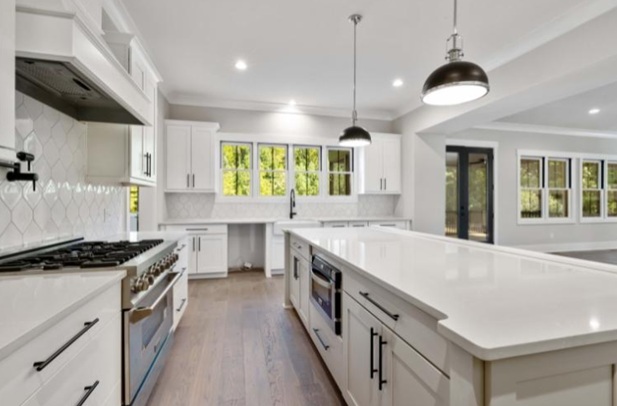
Kitchen islands can provide extra room, but they should not restrict movement. A smaller island with comfortable walkways may prove more practical than a huge one that makes it difficult to open drawers or carry a heavy pot safely.
Storage Has to Accommodate More Than Everyday Groceries
Traditional cooking often comes with an impressive collection of equipment. Large stockpots, mixing bowls, preserving pans, baking dishes, jars, strainers, and other tools all need somewhere to live.
Storage designed around the cook’s habits makes these items much easier to manage. Deep drawers can work well for heavy cookware because there is no need to reach into the back of a low cabinet. Shelving can keep jars and pantry ingredients visible, while vertical storage is useful for trays, boards, and baking sheets.
Gardeners also need to think about seasonal changes. The amount of food coming into the kitchen may increase considerably when several crops are ready at once. Leaving some flexible pantry or shelving space can prevent freshly harvested ingredients and preserved foods from taking over every countertop.
Long Cooking Sessions Put Ventilation to Work
Traditional cooking can keep the stove occupied for long periods. Simmering stock, frying ingredients, reducing sauces, and running several pans at once all produce heat, moisture, aromas, and airborne grease.
Preserving can be particularly demanding because large pots of boiling water may remain on the stove while jars are processed. Even pleasant cooking smells can become overwhelming when they linger throughout the house for hours.
For that reason, ventilation deserves more attention in a hardworking kitchen. It should be considered alongside the stove and overall layout rather than added as a purely decorative finishing touch.
Homeowners looking for luxury kitchen ventilation can consider CopperSmith when thinking about how a prominent range hood might fit into the wider kitchen design. Because ventilation often occupies a highly visible position above the cooking area, its appearance can influence the character of the room as well as serving a practical purpose.
Whatever style suits the kitchen, ventilation needs to make sense for the way the stove is used. A household that regularly cooks from scratch may place very different demands on this area than one that mainly reheats prepared food.
The Sink Becomes a Serious Workstation
For gardeners and home preservers, the sink does far more than handle dirty dinner plates.
Fresh produce often arrives carrying soil and garden debris, so washing can become the first stage of a lengthy preparation process. Large pots, bowls, jars, and awkward pieces of cookware also need to be cleaned throughout the day.
A practical sink area should therefore have useful workspace nearby. There needs to be somewhere to place a container of freshly picked produce before washing and somewhere else for cleaned ingredients to drain or wait for preparation.
The tap and sink also need enough clearance for bulky cookware. A beautiful basin that makes it difficult to fill or clean a stockpot can become frustrating surprisingly quickly.
Organization around the sink matters as well. Colanders, cleaning supplies, towels, and frequently used tools should be close enough to reach without abandoning a wet or messy task halfway through.
Kitchens Need to Cope With Heat, Spills, and Heavy Use
Traditional cooking is rarely pristine. Flour escapes onto countertops, fruit juice splashes during jam making, sauce boils over, and heavy cookware moves repeatedly between the stove and preparation surfaces.
Materials should be chosen with this reality in mind. Before selecting a countertop, floor, or backsplash, think about how it will respond to regular cleaning, spills, heat, and the occasional dropped utensil.
This does not mean a hardworking kitchen has to look purely utilitarian. Wood, stone, tile, and metal can all give a room warmth and character. The important thing is understanding the maintenance involved and deciding what level of wear you are comfortable seeing over time.
Easy-to-clean areas around the stove are especially useful when cooking involves frying or long periods of simmering. Similarly, flooring should be comfortable enough for time spent standing and practical enough to clean after a busy preserving day.
The best materials are those that allow you to get on with cooking rather than making you nervous about every splash.
Final Thoughts
Traditional home cooking turns the kitchen back into a working room. Growing and preserving food, baking from scratch, simmering stocks, and preparing larger batches all demand space, storage, ventilation, durable materials, and a sensible layout.
If you are adapting a kitchen for this style of cooking, begin with the tasks you perform most often. Notice where equipment accumulates, which journeys across the room feel awkward, and where you regularly run out of space.
A kitchen does not need to be enormous or elaborate to handle traditional cooking well. It simply needs to support the work happening inside it. Get those practical foundations right, and there is more room to concentrate on the part that matters: turning good ingredients into food worth sharing and preserving.