Monday, November 14, 2011

What food and ingredients CAN'T be safely canned?

As the canning community grows the need for new and educational post are so important. With all the information available to a newbie regarding canning on the web I am writing the list of the "do not can" ingredients and foods. Some of the listed ingredients are safe in other ways such as pumpkin is not safe to can mashed or as a pumpkin butter, but you can put up cubed pumpkin in a pressure canner.

What you are "able" to put into jars is a much longer canning list than those you can't so for any additions to the list below I will continue to update as I find or research either the ones that I missed or ingredients that have changed their "status".

Reasons for not using the products below:
For Fats and Dairy these products will go rancid and develop bacteria within your jar if left unrefrigerated and mixed in with other ingredients to form a recipe. 

Oats, wheat, and flour products will also go rancid but also during processing the heat will not penetrate through the recipe and as such will not kill the bacteria in the jar. That would be the same for any "mashed" vegetable like mash potatoes, butternut squash or pumpkin. This is one reason why doing a "pie in a jar" or "cake in a jar" is not a good idea.

For pasta or noodles, because they are made of flour they will breakdown in the jar during the 75 minutes to process in the pressure canner and you will be left with mush at the bottom of the jar. Also most pasta and noodles are made with eggs.

In the case of the thickeners the cornstarch, tapioca, and arrowroot they will breakdown and I found out first hand what cornstarch does to a canned apple pie filling.

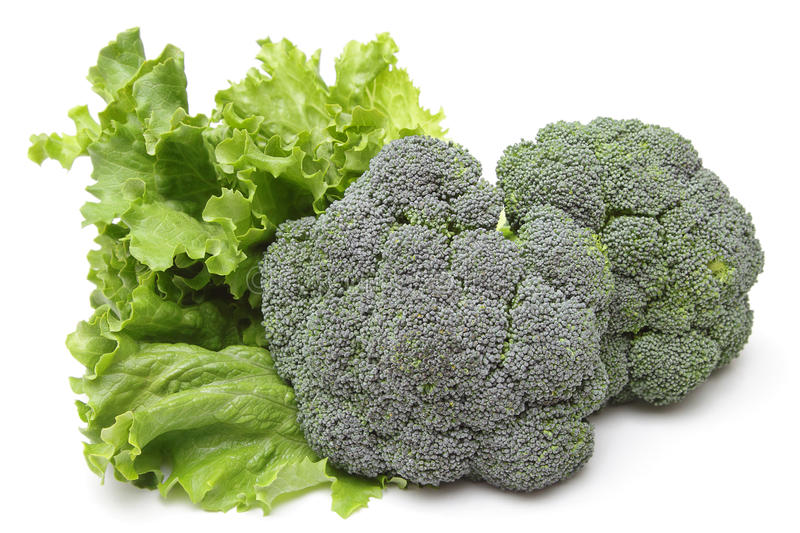
With broccoli and other veggies listed below the heat from pressure canning will destroy the flavor and render them mushy for the amount of time that it will take to be safe in processing. As you can see some of them will be great pickled using a vinegar brine for water bathing.

Fruits such as bananas also have a thickness that the heat will not destroy the bacteria during the water bath process.

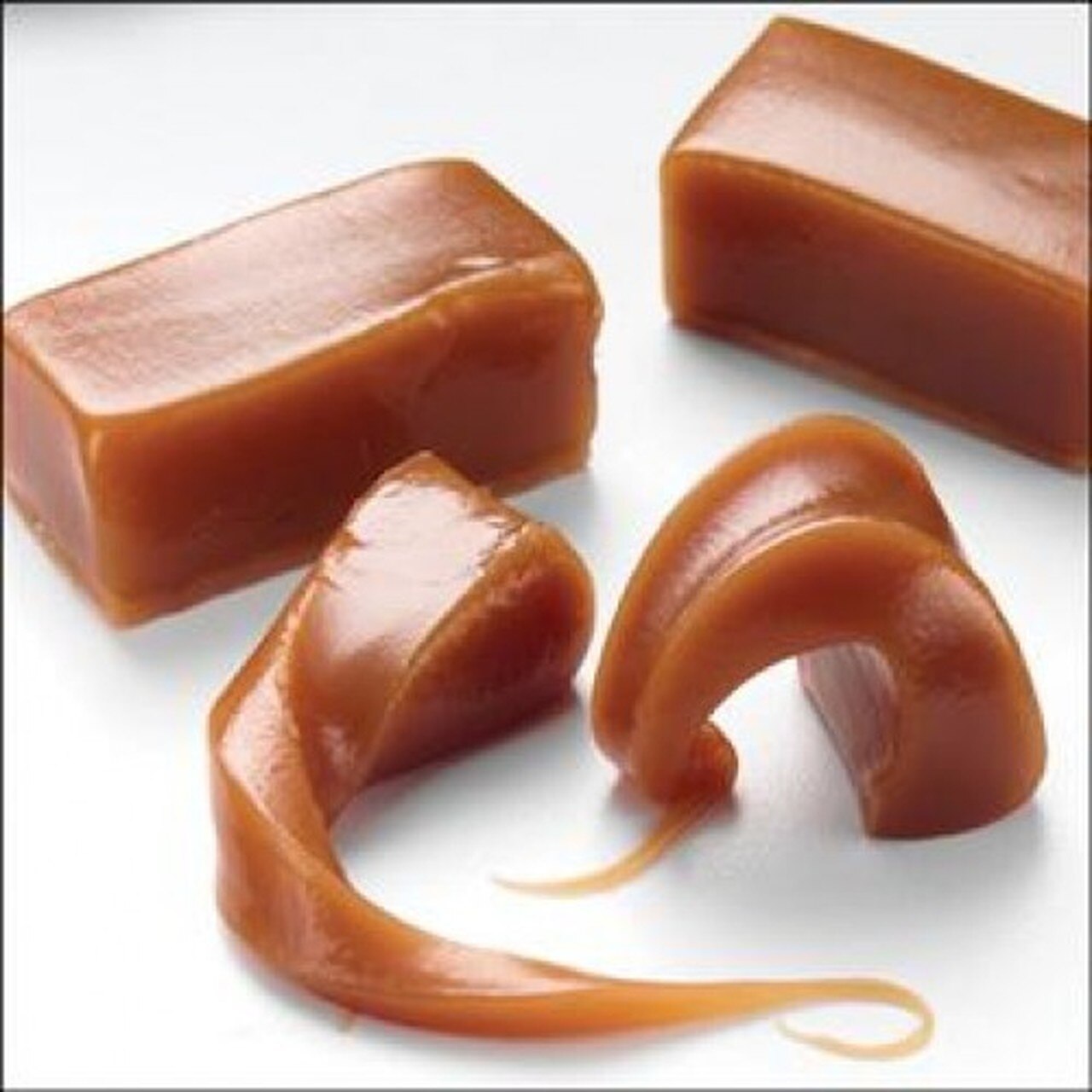
Sweets such as caramel has butter which again is in the fat category, and marshmallows, which will just not be the same after a good waterbath!

Lastly, with meat you want to use a leaner meat. Pate and liver during the pressure canning will not heat through to penetrate  and kill all the bacteria including any natural bacteria from canning organ meats. 
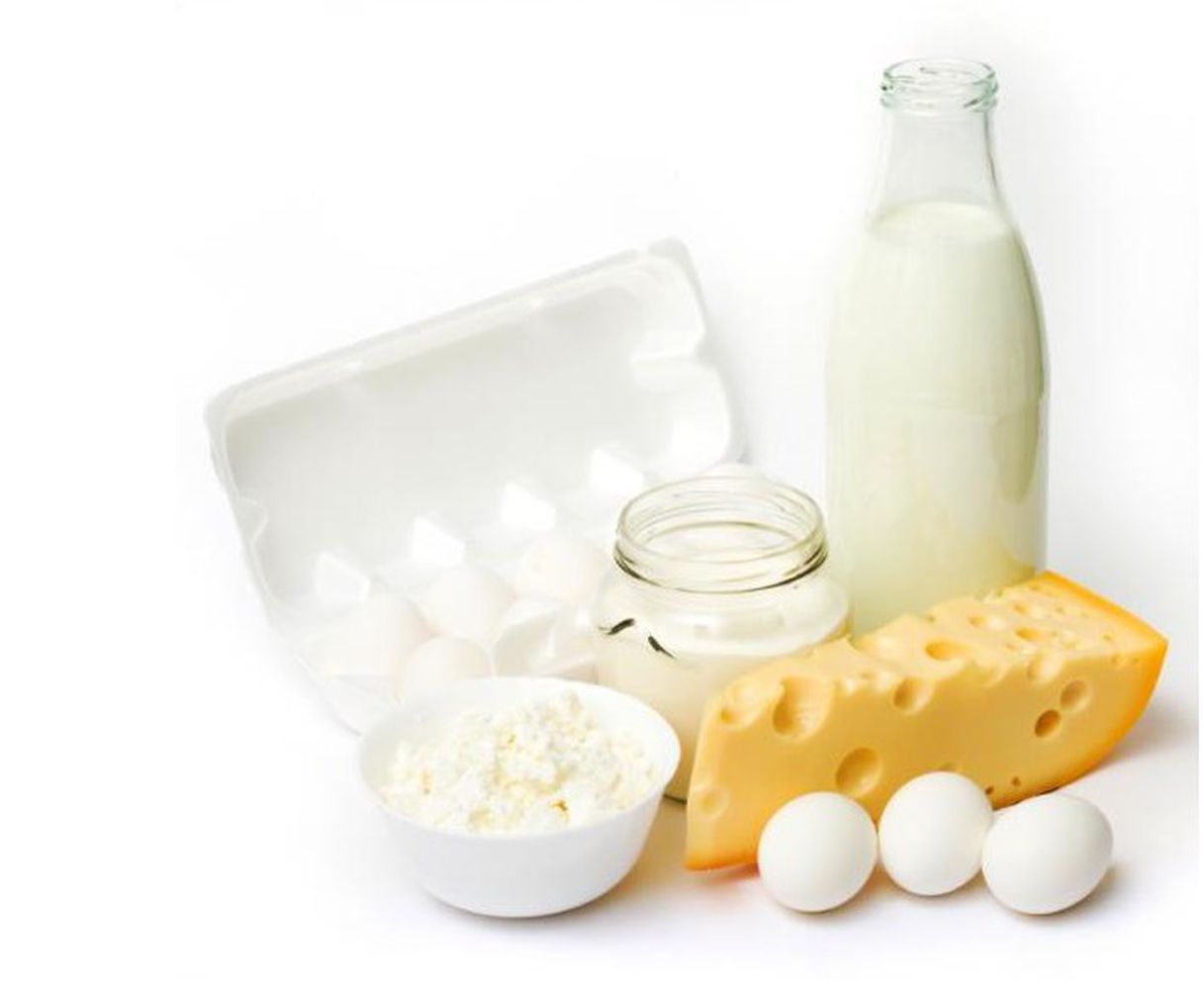


Fats: Oil (by itself, there are two safe recipes using a oil/vinegar brine: Marinated Peppers and Marinated Mushrooms), mayonnaise

Dairy: butter,  milk,  cheese, sour cream, cream (whipping or heavy), yogurt (greek or other), buttermilk, goat or any other animal milk, tofu, soy
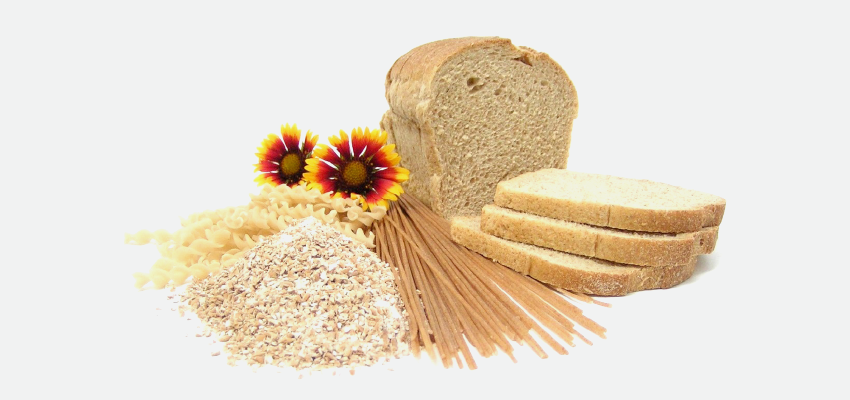
Do not add:
Oats, wheat, barley, grains, rice, bread, noodles or pasta, hominy, crackers,  biscuits,  pie dough, eggs

Do not use thickeners:
Cornstarch, tapioca, arrowroot, flour, Wondra flour, cornmeal,  soup bases, package mixes like taco mix or ranch dressing

Veggies: broccoli, brussel sprouts (pickled ok), cabbage(pickled ok, Sauerkraut) cauliflower (pickle ok), eggplant (pickled ok), summer squash (pickled ok), olives (pickled ok), lettuce, artichokes, mashed parsnips, mashed squash, mash potatoes, mashed pumpkin 


Food recipes: pumpkin butter, pudding, cream soups or cream veggies, refried beans,  peanut butter,  Pesto, chocolate made from milk solids, quickbreads

Fruits:
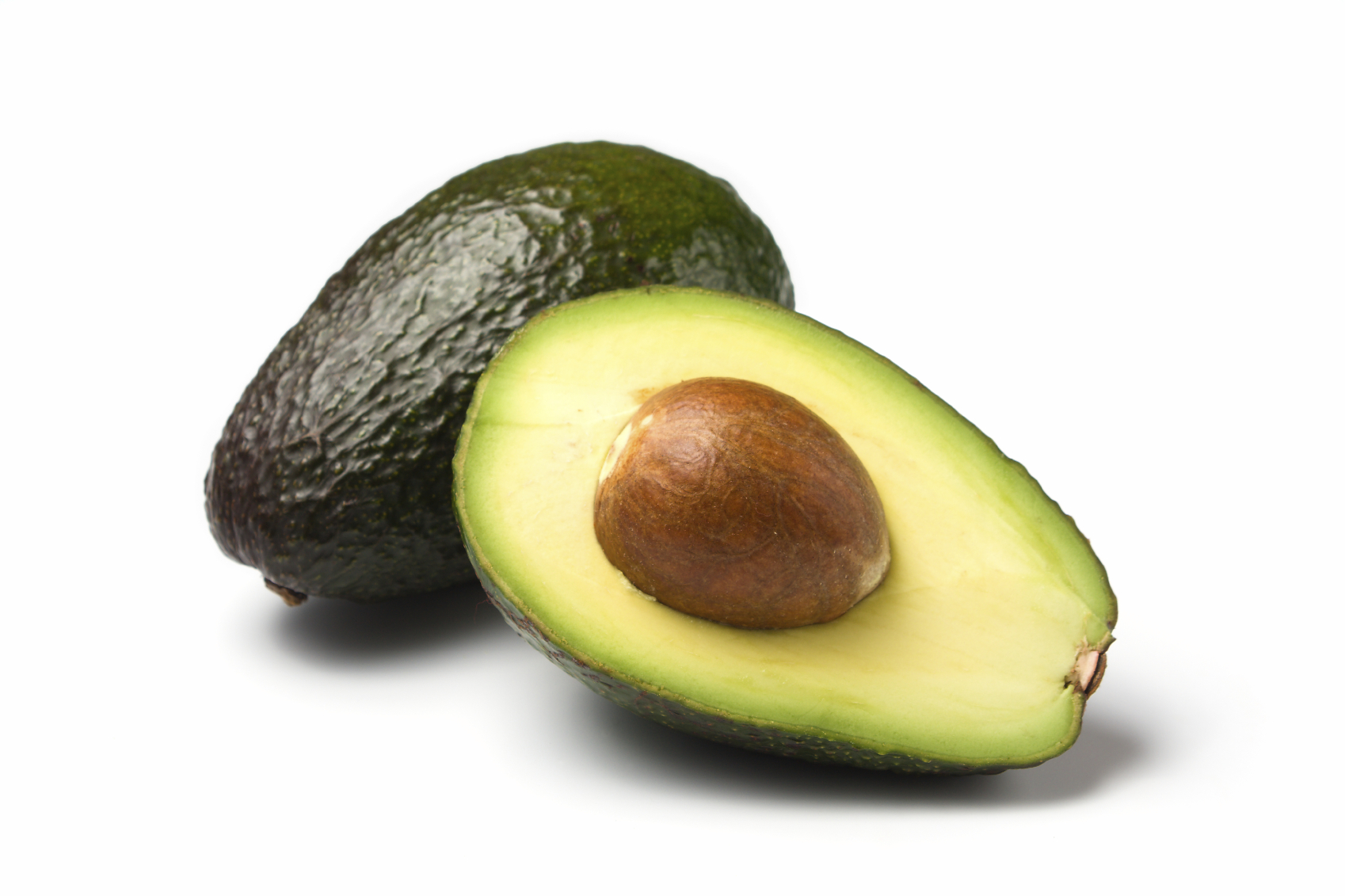
 mashed bananas, avocados, coconut milk

Meats: avoid high fat , pate (duck, beef ), liver and giblets (chicken, beef)
, hot dogs, meats with fillers

Candy:
caramels, peppermints, marshmallow 
40 comments:

cpnmom66 said...

pumpkin butter, pumpkin pie mix, pumpkin puree.

Diana said...

Thanks so much for this, Cindy - really, really useful!

Melody said...

so the noodle one gets me. I canned chicken noodle soup using dried noodles. Its not thick so I'm wondering why not?

Canning Homemade! said...

Melody,
Adding the noodles or pasta changes the consistency of your soup. It's possible that your pressure canning process would not have heated through the contents and didn't completely kill all the bacteria and micro organism that were present in the jar. This is one of the major reasons jars will develop botulism or ecoli long term or within several months the lids may bulge when there starts to have presents of bacterial growth. If you want to know for sure make sure that you take off the rings so that you will be able to tell if your jars have gone bad since the bacteria is not visable.

Dawn Marie said...

Why is it not safe to can pumpkin butter?

Krista said...

Thank you so much for this post! I have been searching the internet and my canning books for information concerning rice. I canned turkey soup last Thanksgiving, but I didn't put rice in because I never found any mention of rice ANYWHERE. Thank you for confirming my "don't can rice" suspicions!

Canning Homemade! said...

Dawn Marie - They have done testing and found that mash, puree or butter made with pumpkin is too dense to penetrate the heat needed to kill the micro organism in the food while in the water bath or pressure canner. We see it in the stores because the "commercial" processing is done at a much higher heat and increased pressure. Sorry!

Sarah said...

I just ran across a blog on foodgawker that canned banana (http://apronofgrace.com/2011/11/canning-bananas-who-knew/) and came here to see if you could really can it.
Thanks for all this helpful info!

Jerry said...

I'm new to canning ...So vegatable beef soup cooked with Barley cannot be canned?

Susan Young said...

Sarah, I just went and looked and that post has been removed. I'm guessing the canned bananas didn't work out for them.

Canning Homemade! said...

Bananas are not supposed to be canned but some people find ways to make them work for them. LOL

Joey said...

You can mash your bananas and freeze them I used to do this when bananas were cheap or now when they are on sale.Unfortunately they don't go on sale very often anymore. Thank you so much for this site it is absolutely wonderful. I love canning gardening freezing what I have grown and what my hubby can get for meat. Moose is wonderful how would you treat moose for canning? Talk about alot of meat lol Marvel

Canning Homemade! said...

Joey,
I would assume Moose is a lean meat so if I ever had the opportunity to can Moose I would cube it and add beef stock or do a Moose stock from bones and add that to the jar. Process it in pints for 75 minutes or 90 for quarts at 10 lbs of pressure!

Snad said...

I know the information is available elsewhere, but anytime an article says "DO NOT DO THIS" it is important to say WHY YOU SHOULD NOT DO THIS. Not only is it more likely that people will follow the guidelines, but they will understand more about the entire process, in the long run.

Snad said...

Jerry - You're better off to leave grains out anyway - you can preserve more of the stuff that's hard to keep otherwise, still save time in the cooking process, and also increase flexibility (I have some leftover rice that I'll add to my beef stew instead of barley this time!).

Canning Homemade! said...

Thanks SNAD! You are absolutely right. I will right my wrong and list why you shouldn't.

Penny said...

Before I found this site I canned some strawberry banana jam. So you are telling me that the bananas should not have been used. Since I have already made this is there any time frame in which this jam should be consumed by. I might have to give to family and tell them to eat it fast or should I just toss it all and not use.

Canning Homemade! said...

Penny, when did you can it? If you did it recently I would probably eat it in the next few months. If you start seeing mold around the top of the jam when you eat it through it away.

Penny said...

I made it the middle of last month and the recipe did call for some lemon juice. Does that make a difference???

Canning Homemade! said...

Penny - It's more about the heat not penetrating through the banana. I made the same mistake before I was a Master Food Preserver with a Cranberry Banana recipe. After a few months the fruit separated and I had mold on the top of the jar. I thought at the time that I did something wrong while making the recipe but it had bottled lemon juice in it also. The issue was that during the water bath the temperature only gets to 212 degrees and it wasn't enough to kill the bacteria and preserve the jam.

You can keep it on the shelf and take off the rings. If when you are ready to eat it you see mold growing or the lid just slides off the top then don't eat it.What has happened is that the bacteria is pushy up on the lid and releasing the seal. I am just trying to teach safe practices but you can choose to leave it on the shelf and do the experiment. Mold will be the only thing that will be the tell tale other than the lid. There is sugar and lemon juice which are the preservers.

Penny said...

Thanks so much for all the information. Since it was so recent, I will give it to family members and have them gobble it down now cuz there is no way we can eat all that I have made. I am so glad I discovered this website. What can you tell me about canning meat. Can this be done and what are your suggestions to make it safe it can be done. Maybe recommend a website also. Again thanks so much.

Canning Homemade! said...

Penny,
I can help you with canning meat. There are a couple of good articles in the educational section on the front page of the site. If you have specific questions like raw and hot pack I would love to help. I have canned chicken, pork, beef, meatballs, but they are all basically the same process.

Barb said...

Hi,

First wanted to say that I found your site very useful, and thank you for the hard work you have put into it for us canning-for-dummy's! My questions are for the canning of wild blackberry jam. What is the shelf life for wash-bath canning, of quart size glass jars, and does the shelf life pertain to the freshness of the product, or the bacteria that can grow in it? I appreciate your help, thanks a bunch!

Barb

Canning Homemade! said...

Barb,
I am glad that I can help you or at least be a reference. The shelf life of any jam will be a year and then it will start to decrease in quality. It will also have issues possibly with bacteria but you will know much sooner if it is not canned properly using proper sugar and amount of acidity. We don't usually do jams in quart size jars so I can't speak to that particular recipe. Once you open the quart the jam will only last about 6 weeks in the frig. Would you consider doing it in smaller jars? Half pints or at max pints are a good size for jams.

City Mouse said...

Hi there,
Great site, i am so glad that i found it. I am a beginner and saw the "monkey butter jam" post on your FB site recently. It looked yummy so i bought all the ingredients and made it. Three of my jars never pinged after the water bath so i just put them into the fridge once they cooled. Today though, i was putting the other jars away and one of the lids popped up. Does that mean the seal has been broken??? I put it into the fridge but don't know if it's safe or not? How do i know if that jar along with the rest of them are ok?

Thanks
Erin

Kate said...

I'm a little confused - the poster above referenced your monkey butter recipe. I couldn't find it on FB so I googled it and found several recipes for canned monkey butter - basically bananas, pineapple, and coconut. So, is this safe to can or not? It sounds like something my children would adore but it's referenced in a post that says not to can bananas . . . can someone help me out here? Maybe you explained it in your FB post but I just want to be sure that I can safely. Thanks!!!

Canning Homemade! said...

I want to be perfectly clear that other site say that it's safe but banana's are not safe to can. You can make it but it should be frozen.

HopeforUSyet said...

Couple of questions...1st, how did you become a Master Food Preserver? I am so interested in this. 2nd--I made several 1/2 pints of dill relish and used a bit of a cornstarch slurry at end to thicken--what will happen to the relish. 3rd. I pressure canned 10 pts of salsa (my own version) yesterday. I was not liking all of the vinegar and lemon juice in all of the recipes I was finding. The salsa is kinda chunky with garlic, various peppers and onions--bit of fresh lime juice and salt. I drained lots of the juice off and salsa is still similar to diced stewed tomatoes--but maybe a bit thicker. Pressure canned according to Ball Blue book stewed tomato recipe. 10lb for 15 minutes. Should I be worried about it going bad?

HopeforUSyet said...

BTW--great site! You will be my go-to from now on! Been canning for about 1 year now and find it very addictive and so satisfying!

Johnna said...

Why can you not pressure can butter?

Jean said...

There are soup recipes I would like to try with cabbage, vegetable soup, etc. Is this not safe to do??

Shawn B said...

Page 62 of the Ball Blue book calls for using oil when canning fish/tuna. Pg 74 has basil Garlic Tomato Sauce that uses oil as well. Pg 82 has Roasted red pepper spread that also uses oil. Although to be fair it is not a jar full of oil - it is used in small amounts.

Unknown said...

I'm curious if the recipe at the following link is safe to can using a water bath. Thanks! http://www.mybakingaddiction.com/crock-pot-slow-cooker-apple-butter-recipe/

WNCMountainGirl said...

@HopeforUSyet said...
"Couple of questions...1st, how did you become a Master Food Preserver? I am so interested in this. "

If you would like to find out if your state offers this opportunity to become a Master Food Preserver, contact your local Extension Office (usually listed in local government pages of the phone book under Cooperative Extension Service, Ag Extension Office and/or 4-H Office). You could also contact someone at the state university to either ask your questions or let them know of your interest. These contacts can be found on a website managed by USDA:
http://www.csrees.usda.gov/directories/food/index.cfm

Steven Coyne said...

I see in your article above, and on the NCHFP website, that rice should not be added, but niether say why. If the ratio of liquid to rice is at least 50/50 (half the quart of pre cooked rice and half the quart of liquid, would there still be a problem. Why shouldn't rice be added, and if it can be, what parameters would you use to keep it safe to eat? If the mass in the jar is not thickened, is there still a problem?

Amy M said...

I see a lot of recipes for meatballs using crackers and eggs. I am wondering if a product like egg beaters could be used since it is pasteurized egg whites. And, why can't crackers be used? Also, I have the book on small batch canning that you recommend and the zucchini garden pepper relish recipe uses cornstarch - is this OK? I used the recipe, but now I'm afraid to eat it.

Dan V said...

What about nut butters? I've found conflicting reports...

Shawn B said...
This comment has been removed by the author.
Shawn B said...

Crackers can not be used because it is a flour product. Adding flour, cornstarch, breadcrumbs and the like are NOT recommended not only because of the thickening it also changes the PH levels.

Dan butter is a dairy product and no dairy products should be canned. Don't just go with the opinions on any old website, look for official websites like NCHFP, or Ball (jars).

Sunshine RainbowTrout said...

Hi, new here and sort of to canning. Reading the why's always helps.
So we can buy mashed baby food with bananas and mashed pumpkin and noodles in soups because of the high heat in which these things were canned, where do I get that kind of information from?
Not one to be deterred by something like that, even if it means getting a hotter cooking surface. Thanks!